
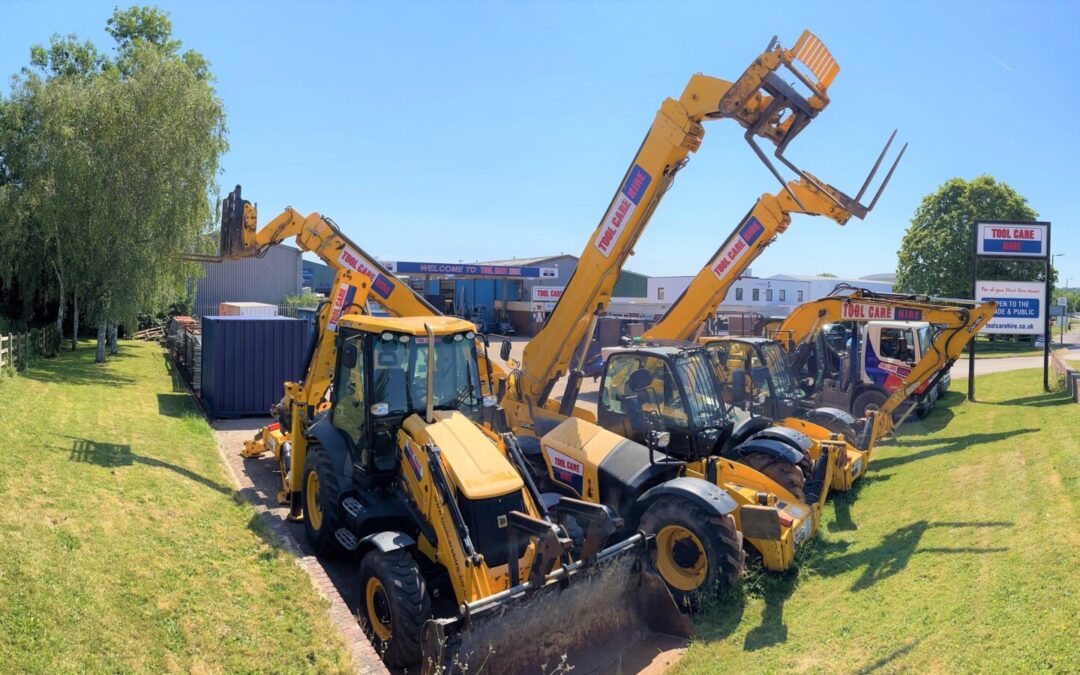
There are many benefits of grab hire that you may not have thought of yourself and may actually surprise you. Hiring equipment can be a fantastic alternative to buying costly tools which you may not use very frequently. This blog aims to fill you in on the benefits of grab hire and if it is worth doing so.
What is grab hire?
Firstly it is always useful to know exactly what grab hire is before being informed of its benefits. Grab rental, which takes the shape of a truck, is used to remove large items from difficult-to-reach places with the use of a hydraulic arm.
What is a hydraulic arm?
By increasing the effectiveness of moving and processing parts, hydraulic arms (also known as robot arms) extend the flexibility and capabilities of some workstations. Different technologies can be used to power robotic arms; those that are hydraulically propelled are known as hydraulic robots. The power output of a robotic arm is determined by the power system. Robotic arms that have larger power output capacities can lift heavier objects. Hydraulic arms are frequently used in heavy-duty tasks in the general industrial sector because of their great power output.
What is the physics behind a hydraulic arm?
Pascal’s principle is the scientific theory behind hydraulics. In essence, even when you’re pushing it hard at one end or the other, the pressure must remain constant across the whole piping since the liquid within is incompressible. The definition of pressure is the force acting per unit of area. In order to maintain equal pressure, a strong force must push upward on the piston with a greater surface area on the right if we apply a little force to a small area at the narrow end of the tube on the left. The force is boosted in this way.
Why is Grab Hire Useful?
There are a variety of instances when an excavator may be used in order to help the completion of a certain project. The uses of these areas follows:
- Demolition – It’s common to overlook destruction while planning a construction project or the building process. However, properly demolishing a structure is just as important as building one from scratch. For instance, when demolishing a house in an area to make room for a new one, it must be done safely and in conformity with the law. The excavator serves a range of different tasks in addition to being excellent at clearing land and preparing it for further development in a project. Because of its strength and unique attachments, the excavator is excellent in demolition tasks.
- Soil removal or moving – Excavators are well-known for their role in earthmoving. Their distinctive bucket attachments, which have edges that resemble teeth, let the machine dig and sweep up the ground. The uses of excavators in earthmoving include trench digging. In construction and many other industries, trenches are used in a variety of ways. Excavators are used by operators to dig trenches for seeding, installing cables and pipelines, and setting up foundations. Trenches that would need a lot of time and labour to dig manually can be done by excavators.
- Archaeology – Because they are so effective at prepping the site so that archaeologists can discover the buried artefacts, these machines are tremendously helpful for such a site.
- Moving Certain Equipment – The excavator becomes a practical instrument for moving diverse materials when it is clamped. To maximise its grasping power, the clamp attachment frequently has a dual-tooth design. The clamp’s design allows it to hold even dirt and items of unusual shapes. You can pull a clamp back to the arm when it’s not in use. This can take up debris such as undesired bushes, pipes, stones, and trees. When the bucket attachment of the machine cannot take up the materials, operators can turn to the clamp attachment demonstrating its versatility. This often has teeth on its digging edge and is composed of strong steel. Depending on the type of substance that has to be grasped, the teeth’s style can be changed.
What are the Benefits of Equipment Hire?
- No payment in advance – Large equipment may be a vast capital expense that will need to be spent at once and sold once it is no longer required. Equipment purchases are long-term investments that bind you to specific equipment types. Renting the equipment helps firms to more effectively utilise your business’s financial resources since it eliminates the upfront expenditures involved with purchasing.
- Low to none upkeep – The expense of asset management and equipment maintenance is borne by the supplier of the equipment when you hire them directly. This eliminates the need to invest in equipment to clean, repair, and repaint the equipment.
- Zero Storage Problems – When purchasing expensive plant equipment for yourself, you must also locate suitable storage, which may be costly as well, especially if it is long term.
- Use new machinery – Depending on the hiring firm you choose, you can have access to some of the newest products available. Numerous advantages include increased production and lower fuel expenses. However, not every provider on the market falls within this category. Prior to signing a contract hire agreement with your supplier, it is crucial to find out exactly what you’re hiring.
- Not tied – For your own business, you can hire tools and machinery. In order to avoid being shackled by lengthy leasing agreements or loans to buy your own, you might arrange flexible hiring agreements for your project.
- Servicing – Equipment is routinely maintained and serviced by reputable tool rental businesses. Therefore, if you hire plant gear, you can be confident that the 3 tonne digger you have leased is suitable for its intended application and secure to operate. A project may be delayed if poorly maintained equipment malfunctions or breaks down. Before leaving the depot, plant equipment is inspected to ensure that it is in excellent operating condition and is safe to use.
- Delivery – Customers can choose to pick up their tools themselves or, for a little cost, have them delivered by reputable tool rental providers. It is important to keep in mind that ordering tools online and having them delivered to your location rather than sending vital team members off-site to pick up equipment can save you both time and money.
Different Types of Equipment
There are lots of different types of construction equipment including small hire equipment, small gardening tools and larger vehicles.
- Rollers – In the building of roads and foundations, earth, gravel, or concrete are compacted with road rollers, which are compactor-style engineering vehicles. At Tool Care Hire we offer a variety of rollers to hire for any project you may be in the process of.
- Dumpers – is a type of truck used for hauling large materials, frequently on construction projects. A dumper is often an open 4-wheeled vehicle with the load skip in front of the driver and a body that tilts or opens at the back for unloading. Dumper hire is also available to hire from us.
- Excavators – They are large pieces of construction machinery with a cab, boom, bucket, and dipper mounted on a rotating platform called the “house”.The home is supported by a set of wheels or rails. They are a logical development from steam shovels and sometimes termed power shovels because of buckets that resemble those on power shovels.
- Trowel – Used for planting smaller plants such as runner beans, tomato plants or strawberries. This is an example of a small gardening tool.
- Spade – Can be used for planting slightly bigger plants such as small trees or ferns.
At Tool Care Hire we understand the importance of supplying a variety of different plant machinery to hire as it can be tiresome to have to deal with many different companies at a time when trying to complete one project. We also appreciate how hiring plant machinery can be far more beneficial to companies rather than outright buying plant machinery due to the standard high cost of machines such as excavators. If you wish to hire some building equipment please contact us!